

IFTA Audit Guide: Triggers, Audit Process, 4.0 MPG Penalties, and Record Retention (P510)
Selected for an IFTA audit? Learn about statutory audit triggers, the 5 audit stages, the severe 4.0 MPG penalty rule, 4-year P510 retention rules, and post-audit appeals.
Quick Answer: What Is an IFTA Audit and How Does It Work?
An ifta audit is a formal, statutory examination conducted by your base jurisdiction to verify the accuracy of the quarterly fuel tax returns submitted by your fleet. Under the International Fuel Tax Agreement, every member jurisdiction is legally obligated to audit a representative cross-section of registered carriers to ensure compliance with fuel tax apportionments across North America.
If your motor carrier business is selected for an ifta audit, understanding the operational stakes and regulatory standards is critical:
- The 3% Audit Mandate: Under Section A250 of the IFTA, Inc. Audit Manual, each base jurisdiction must audit at least 3% of its total licensee portfolio every year. While some carriers are selected at random to fulfill this statutory requirement, many audits are targeted based on specific reporting red flags.
- Strict 4-Year Retention Under Section P510: The IFTA Procedures Manual Section P510 requires carriers to maintain all records supporting quarterly tax filings—including trip distance records, fuel receipts, and route summaries—for four years from the quarterly return due date or actual filing date, whichever is later.
- The Destructive 4.0 MPG Penalty: If your fleet records are deemed incomplete or unsubstantiated during an ifta audit, Section A350.300 of the IFTA Audit Manual authorizes auditors to apply a default fuel efficiency benchmark of 4.0 miles per gallon (or reduce your reported MPG by 20%). For modern commercial vehicles averaging 6.5 to 7.5 MPG, this arbitrary recalculation massively increases your taxable fuel consumption, resulting in severe back-tax assessments, statutory interest, and penalties.
- Advance Notice Window: Carriers typically receive an official written audit notification letter 30 to 60 days prior to the commencement of fieldwork, allowing a brief window to gather, organize, and reconcile compliance files.
The table below summarizes how the core structural stages, regulatory authorities, and compliance benchmarks are administered across member jurisdictions during an ifta audit.
IFTA Audit Stages, Regulatory Rules, and Jurisdictional Practices
| Audit Stage / Jurisdiction | Statutory Authority | Required Carrier Action | Primary Risk If Non-Compliant | Key Documentation |
|---|---|---|---|---|
| IFTA Central Standards (IFTA, Inc.) | IFTA Audit Manual §A250 / §A350.300 | Maintain unbroken 4-year records; verify quarterly totals | 4.0 MPG default tax assessment plus 10% penalty | IVDR logs, certified fuel receipts, quarterly tax summaries |
| North Carolina (NCDOR Motor Carrier) | NCDOR Audit & Fieldwork Code | Cooperate with distance, fuel, and decal physical inventory | Immediate civil penalty assessment and plate suspension | Pre-audit checklist, fuel tax ledger, vehicle registration |
| Illinois (IDOR MFUT Division) | Illinois MFUT Compliance Rules | Provide verified MyTax electronic filing data exports | Revocation of IFTA operating license; mandatory bond deposit | Electronic filing logs, GPS records, paid vendor invoices |
| Texas (Texas Comptroller) | Texas Fuels Tax Audit Standards | Submit continuous odometer logs with zero unrecorded miles | Webfile delinquency block; full audit extension across 8 quarters | Dispatch logs, driver trip sheets, certified fuel card statements |
| Colorado (Colorado Dept of Revenue) | CDOR Motor Carrier Tax Rules | Reconcile jurisdictional highway splits against bulk tanks | Decal cancellation; citation penalties may apply at Colorado ports | Bulk dispensing meter logs, retail receipts, hubodometer reads |
Receiving notice of an ifta audit does not indicate an immediate finding of wrongdoing, but navigating the process successfully requires meticulous preparation and a firm command of jurisdictional requirements.

What Triggers an IFTA Audit?
While some fleets assume that an ifta audit is purely bad luck, state revenue agencies rely on sophisticated analytical models alongside mandatory quotas. Knowing the primary triggers helps carriers identify vulnerabilities before state auditors flag their accounts.
1. The Statutory 3% Quota (Random Selection)
Under IFTA Audit Manual Section A250, every base jurisdiction must audit at least 3% of its active licensee base annually. To ensure statistical fairness, Section A260.100 mandates that at least 15% of all audited accounts must represent low-distance operations, while another portion must represent larger fleets. Therefore, an owner-operator with a single truck can be chosen for an ifta audit completely at random, even with spotless filing history.
2. High-Risk MPG Fluctuations and Outliers
State taxing bodies cross-reference reported fuel economy against established industry baselines. For a Class 8 commercial tractor, an average fuel economy between 5.5 and 7.5 MPG is standard. If your quarterly return reports an overall fleet MPG of 9.5 or 4.2 without a clear operational explanation (such as specialized heavy hauling or extreme idling in winter), the system flags the return. Drastic quarter-to-quarter swings—such as jumping from 5.8 MPG in Q2 to 8.4 MPG in Q3—frequently initiate a targeted ifta audit.
3. Chronic Late Filings and Delinquencies
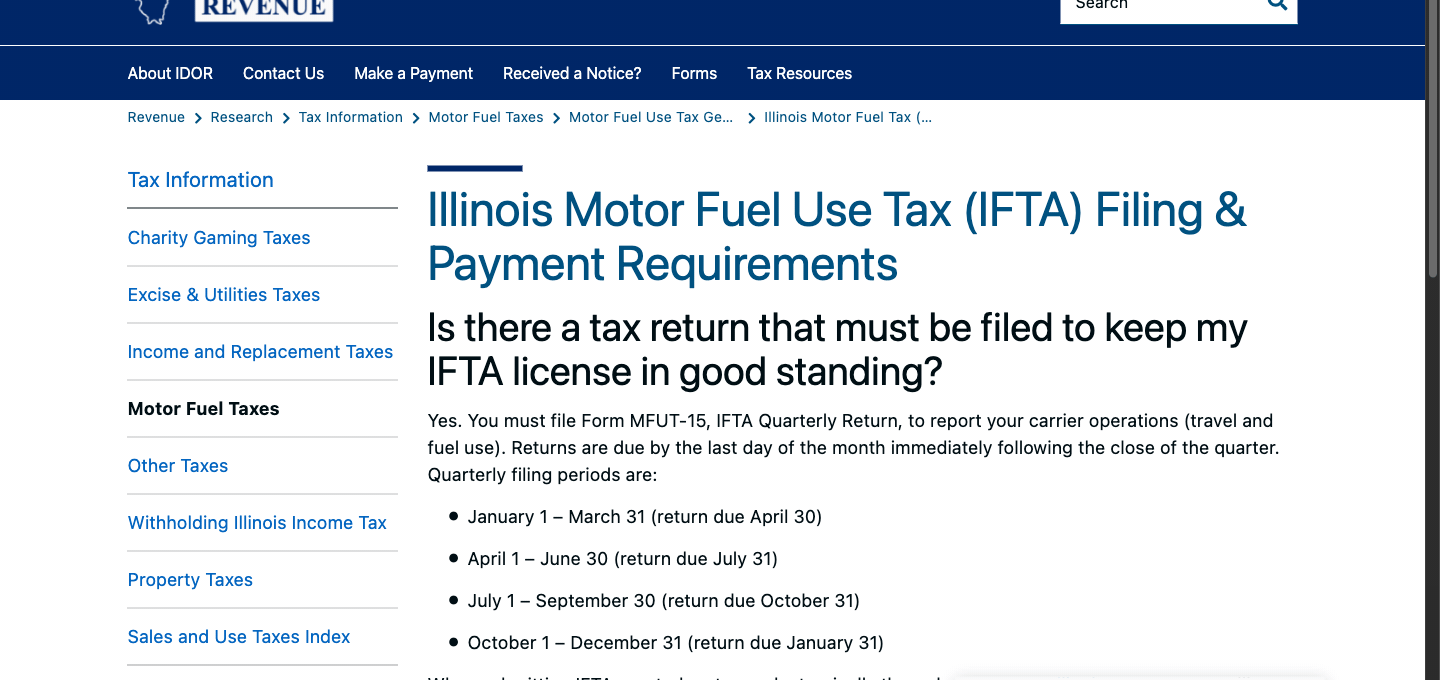
Carriers that habitually miss quarterly deadlines (April 30, July 31, October 31, and January 31) are marked as high-risk compliance profiles. Frequent late submissions suggest disorganized bookkeeping, prompting revenue officers to verify whether the underlying numbers match physical fuel receipts.
4. Continuous Zero-Mile Reports
Holding an active IFTA account while reporting zero operating miles for multiple consecutive quarters draws regulatory scrutiny. Jurisdictions monitor inactive accounts to prevent unauthorized leasing arrangements or the unlawful display of fuel decals by third-party drivers.
5. Geographic Mismatches Between Distance and Fuel Purchases
Auditors examine geographic coherence. If your driver logs 15,000 miles across Pennsylvania, Ohio, and Indiana, but 100% of your fuel purchases occurred in New Jersey, the reporting software detects an operational discrepancy. While long-range fuel tanks allow significant range, extreme divergence between where fuel was burned and where it was bought triggers an ifta audit.
The 5 Stages of an IFTA Audit Process
An ifta audit follows a standardized administrative framework developed by the International Fuel Tax Association. Understanding the timeline and expectations at each phase prevents procedural surprises.
┌─────────────────────────┐
│ 1. Formal Notice Letter │ ──> 30–60 Days Prior to Audit; Specifies Scope & Quarters
└───────────┬─────────────┘
            │
┌───────────▼─────────────┐
│ 2. Pre-Audit Conference │ ──> Establishes Sampling Methodology & File Delivery Method
└───────────┬─────────────┘
            │
┌───────────▼─────────────┐
│ 3. Fieldwork & Testing  │ ──> Odometer Reconciliation, Fuel Receipt Audits & Gap Checks
└───────────┬─────────────┘
            │
┌───────────▼─────────────┐
│ 4. Closing Conference   │ ──> Auditor Presents Preliminary Deficiencies & Proposed Adjustments
└───────────┬─────────────┘
            │
┌───────────▼─────────────┐
│ 5. Final Report/Appeals │ ──> Issuance of Assessment; 30–60 Day Window for Administrative Protest
└─────────────────────────┘
Stage 1: The Formal Audit Notification Letter
The process officially begins when your base jurisdiction issues a formal audit notification letter. Regulated under IFTA Audit Manual Section A420, this communication outlines:
- The specific tax years and quarters selected for examination (typically 4 to 8 quarters).
- The designated state auditor and contact information.
- The scheduled start date for the ifta audit (typically at least 30 days in advance).
- An initial checklist of records that must be made accessible, including Individual Vehicle Distance Records (IVDRs), Electronic Logging Device data exports, and fuel purchase invoices.
Stage 2: The Opening Conference
Before examining physical receipts, the auditor conducts an introductory conference, either virtually, over the phone, or in person. During this meeting, the auditor evaluates your internal controls, accounting systems, and fleet dispatch procedures.
Under IFTA Audit Manual Section A440, the auditor explains the sampling methodology. In fleets with multiple vehicles, the auditor rarely inspects every single trip; instead, they select representative sample vehicles and sample quarters. Agreeing on a transparent sampling plan is crucial because any errors found in the sample will be statistically extrapolated across your entire reporting period.
Stage 3: Fieldwork and Detailed Sampling
During the fieldwork stage, the auditor performs detailed compliance testing. For desktop or remote audits, you will transmit digital files through a secure state portal; for on-site audits, the auditor reviews physical binders at your office or a state field office.
Key verification procedures conducted during an ifta audit include:
- Odometer Continuity Testing: Checking that ending odometer readings from one trip report match the beginning odometer readings on subsequent trips without unexplained mileage gaps.
- Fuel Invoice Validation: Cross-referencing every reported tax-paid gallon against original paper receipts or certified electronic fuel card summaries. Receipts missing seller addresses, unit numbers, or fuel types are summarily disallowed.
- ELD and GPS Ping Matching: Comparing automated satellite location pings against driver trip sheets to confirm that jurisdictional border crossings were recorded accurately in accordance with FMCSA Commercial Regulations.
Stage 4: The Closing Conference and Preliminary Findings
Once testing concludes, the auditor must convene a closing conference under IFTA Audit Manual Section A450. During this session, the auditor presents a written summary of preliminary audit findings.
The closing conference is your first opportunity to resolve discrepancies. If the auditor disallowed 500 gallons of fuel due to missing receipts, or identified an odometer gap of 1,200 miles, you are given a short window (timing varies by jurisdiction) to locate missing documentation before the calculations are finalized.
Stage 5: Final Audit Report, Tax Assessment, and Statutory Appeals
Following the closing conference, the base jurisdiction issues a Final Audit Report accompanied by a formal Notice of Assessment. If the audit uncovers net underpayments, the assessment specifies:
- The additional fuel taxes owed to each member jurisdiction.
- The standard statutory penalty (typically $50 or 10% of delinquent taxes under IFTA Articles of Agreement Section R1220).
- Accrued interest calculated at the IRS underpayment rate (IRC §6621(a)(2)) plus 2%, adjusted each January 1 for U.S. jurisdictions; Canadian jurisdictions track the bank rate plus 2% (IFTA R1230.100).
Carriers have a statutory right to appeal audit assessments through an administrative protest. The legal deadline to file an appeal is strictly enforced, ranging from 30 to 60 days depending on your base state's tax administration codes.
The 4.0 MPG Benchmark Penalty: How Inadequate Records Multiply Tax Debt
The most financially hazardous outcome of an ifta audit is the application of the default fuel economy penalty. When carriers fail to maintain complete records, base states do not simply dismiss the case; they execute statutory penalty formulas that can threaten a carrier's business solvency.
Under Section A350.300 of the IFTA Audit Manual, if an auditor determines that a licensee's operational records are inadequate to substantiate reported fleet distance or fuel consumption, the jurisdiction is legally empowered to:
- Reduce the Reported MPG by 20%: If the carrier has some documentation but fails full verification, the auditor may reduce overall fuel economy by 20%, generating an immediate increase in taxable fuel volume.
- Apply the Arbitrary 4.0 MPG Baseline: If distance or fuel records are largely missing, incomplete, or deemed untrustworthy, the auditor has the statutory authority to recalculate the carrier's entire tax liability using an arbitrary rate of 4.0 miles per gallon (or 1.70 kilometers per liter).
A Concrete Mathematical Example: The 4.0 MPG Impact
To illustrate the financial impact of the 4.0 MPG rule in an ifta audit, consider a single-truck owner-operator who traveled 100,000 miles during an audited four-quarter period:
- Reported Actual Figures:
- Total Miles: 100,000 miles
- Actual Fleet Efficiency: 6.8 MPG
- Total Fuel Burned: 14,706 gallons
- Total Fuel Tax Paid at Pump: 14,706 gallons
- Net Balance Due: $0.00 (tax fully paid at retail stations)
- Auditor Reassessment Under 4.0 MPG Default Penalty:
- Auditor finds missing receipts and disallows undocumented fuel credits.
- Reassessed Fuel Burned at 4.0 MPG: 100,000 ÷ 4.0 = 25,000 gallons.
- Additional Unpaid Gallons Assessed: 25,000 - 14,706 = 10,294 taxable gallons.
- Assuming an average state fuel tax rate of $0.32 per gallon, the carrier is immediately assessed:
- Additional Fuel Tax: 10,294 ×
0.32 = **3,294.08** - 10% IFTA Penalty: $329.41
- Statutory Interest and Local Failure-to-Keep-Records Fines: $400.00+
- Total Out-of-Pocket Penalty: Over $4,000.00 on a single truck for administrative oversights alone.
- Additional Fuel Tax: 10,294 ×
In fleets operating 10 or 20 tractors, a 4.0 MPG default assessment during an ifta audit frequently results in assessments exceeding 50,000 to 100,000, often resulting in operating authority suspensions.
IFTA Record Retention Requirements: Understanding Section P510
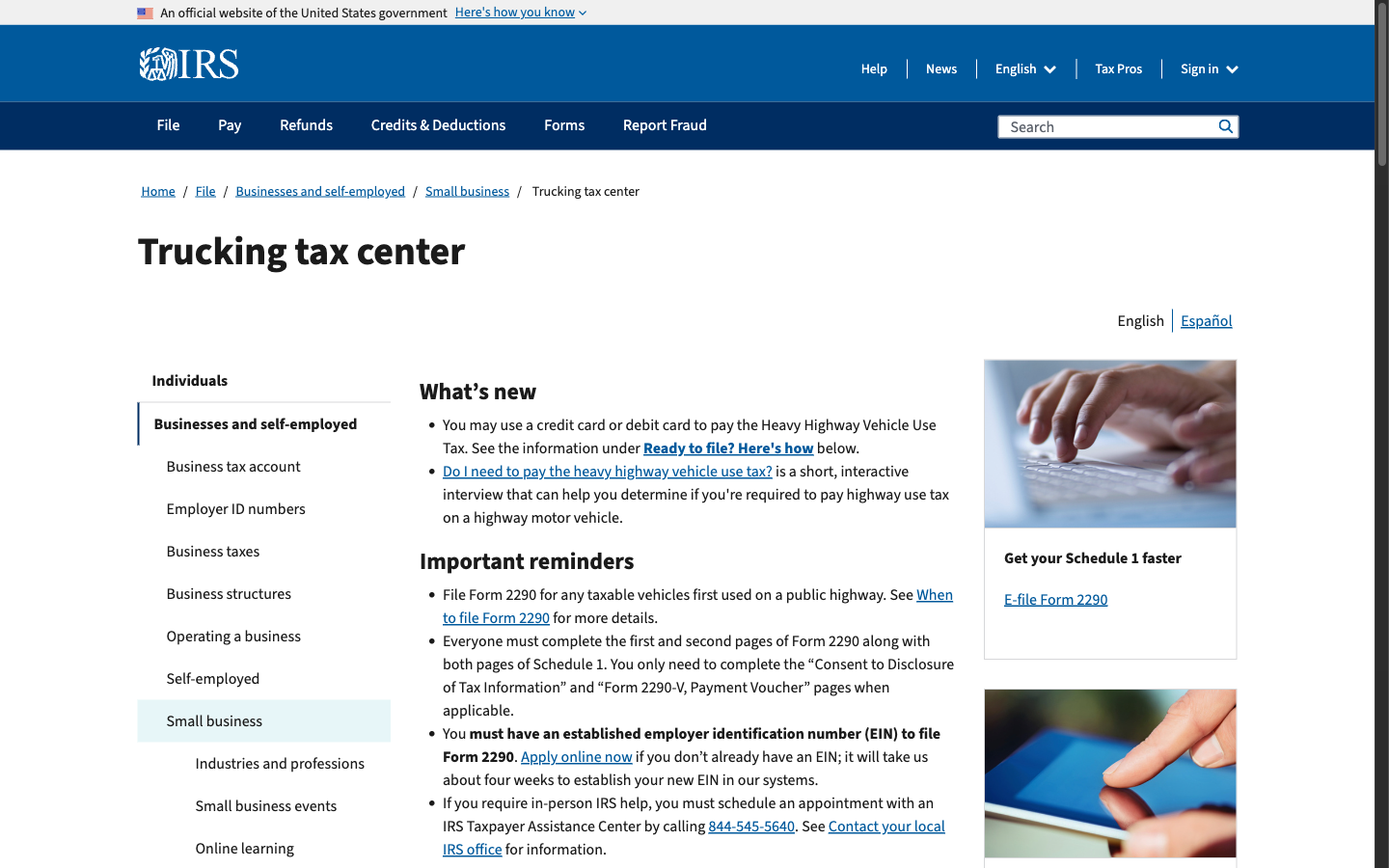
To defend against penalties during an ifta audit, carriers must strictly adhere to the record-keeping mandates set forth in the IFTA Procedures Manual.
The 4-Year Retention Rule (Section P510)
Under IFTA Procedures Manual Section P510, every licensee must retain all records supporting quarterly tax filings for a period of four years from the due date of the return or the date on which the return was filed, whichever date is later.
Furthermore, if an ifta audit is initiated before the four-year window expires, the carrier must continue preserving all records until all administrative appeals and judicial proceedings are completely resolved, even if that resolution takes several years.
Mandatory Documentation Checklist Under Section P540
Section P540 specifies the exact evidence required to validate distance and fuel consumption:
- Individual Vehicle Distance Records (IVDRs):
- Starting and ending dates of each trip.
- Trip origin, destination, and intermediate highway route numbers.
- Beginning and ending odometer or hubodometer readings.
- Total trip distance and individual mileage breakdowns by jurisdiction.
- Vehicle identification number (VIN) or fleet unit number.
- Paid Fuel Purchase Receipts:
- Date of purchase.
- Name and full address of the fuel retail vendor.
- Number of gallons or liters purchased.
- Fuel type (diesel, gasoline, CNG, LNG).
- Price per gallon and total dollar amount paid.
- Unit number or license plate of the vehicle receiving the fuel.
- Purchaser's name (in lease operations, matching the carrier's name).
- Bulk Fuel Storage Logs (If Applicable):
- Receipts for all bulk fuel deliveries.
- Metered pump withdrawal logs showing the date, quantity, and unit number for every dispensing event.
- Quarterly inventory reconciliation reports.
While general mileage record-keeping methodologies are explored in depth when managing day-to-day operations, an ifta audit evaluates whether those records form an unbroken, contemporaneous paper trail.
What to Do If You Are Audited: A Step-by-Step Action Plan
When an audit notice lands on your desk, taking prompt, structured action minimizes financial exposure and keeps the investigation contained.
┌─────────────────────────────────────────────────────────────┐
│                 5-STEP AUDIT RESPONSE PLAN                  │
├─────────────────────────────────────────────────────────────┤
│ 1. Verify Notice Details & Designate a Single Audit Lead     │
│ 2. Perform an Immediate Internal Mock Reconciliation        │
│ 3. Chronologically Assemble All IVDRs and Certified Receipts│
│ 4. Maintain Transparent, Professional Communication         │
│ 5. Review Findings at Exit & Lodge Timely Appeals If Needed │
└─────────────────────────────────────────────────────────────┘
Step 1: Designate a Single Point of Contact
Do not allow multiple drivers or dispatchers to communicate with state revenue agents. Appoint a single compliance manager or knowledgeable fleet administrator as the primary liaison. Review the audit notification letter to confirm the audit scope, target quarters, and deadline for submitting initial records.
Step 2: Conduct an Internal Mock Reconciliation
Before handing over any files, perform an immediate internal reconciliation of the audited quarters. Compare your filed quarterly returns against raw ELD reports and fuel card summaries.
- Identify odometer gaps (unrecorded miles between trips).
- Match receipts to ensure no missing tickets leave uncredited gallons.
- Flag discrepancies early so you can provide credible operational explanations (such as vehicle maintenance road tests or off-road yard moves) before the auditor assumes non-compliance.
Step 3: Organize Source Documents Chronologically
State auditors review dozens of carriers each year. A disorganized cardboard box filled with faded thermal paper receipts invites intense scrutiny. Organize your documentation logically:
- Sort records by calendar quarter, then by vehicle unit number.
- Ensure digital fuel card spreadsheets are accompanied by corresponding monthly billing statements.
- If thermal fuel receipts are fading, ensure digital scans with legible timestamps are indexed by truck number.
Step 4: Cooperate Professionally During Fieldwork
Provide only the specific records requested by the auditor. Do not offer unsolicited opinions or volunteer records for quarters outside the formal audit scope. If an auditor questions a specific route or mileage entry, provide supporting proof such as bills of lading, electronic toll transponder records (e.g., PrePass, E-ZPass), or maintenance work orders.
Step 5: Exercise Appeal Rights If Errors Occur
If the preliminary findings in your ifta audit contain erroneous adjustments—such as misclassifying tax-exempt miles or disallowing valid receipts—do not sign an agreement of assessment blindly.
Request an explanation in writing, compile documentary rebuttals, and submit a formal Request for Redetermination or Administrative Protest within your base state's 30- to 60-day legal appeal window. Many excessive audit assessments are successfully reduced or eliminated during administrative review when backed by clean operational data.
Best Practices to Maintain Permanent Audit Readiness
Maintaining permanent audit readiness protects your bottom line and eliminates compliance anxiety. Implementing proactive administrative controls ensures that your fleet can navigate any future ifta audit with confidence:
- Implement Automated Telematics Reconciliation: Relying on handwritten driver trip logs leads to human error and odometer gaps. Utilizing an automated IFTA mileage tracker guarantees that jurisdictional border crossings, odometer readings, and route histories are recorded with satellite precision.
- Enforce Point-of-Sale Fuel Receipt Scanning: Mandate that drivers snap a clear digital image of physical fuel receipts at the pump. Preserving digital copies protects against illegible thermal paper, which auditors routinely reject during an ifta audit.
- Conduct Quarterly Pre-Filing Internal Audits: Before submitting your quarterly IFTA return, reconcile total fleet distance against total fleet fuel purchases. Calculate your quarterly MPG; if it deviates by more than 1.0 MPG from historical fleet averages, investigate the root cause prior to filing.
- Track Operating Metrics Holistically: Managing fuel tax compliance works best when aligned with overall financial controls. Regularly calculating your fleet's true trucking cost per mile allows you to spot fuel inefficiencies and administrative leaks well before they draw state attention.
Note: IFTADesk is our product; we've aimed to evaluate all tools objectively.

Frequently Asked Questions
How are carriers selected for an IFTA audit?
Carriers are selected through two primary channels: statutory random sampling and risk-based targeting. Under IFTA Audit Manual Section A250, member jurisdictions must audit at least 3% of all active accounts annually, ensuring a spread across large, medium, and small fleets. However, states also target carriers demonstrating compliance anomalies, including erratic fuel economy (MPG) swings, chronic late filings, consecutive zero-mile reports, or major geographic mismatches between distance traveled and fuel purchased.
What is the 4.0 MPG penalty rule in an IFTA audit?
The 4.0 MPG penalty rule is a statutory provision outlined in Section A350.300 of the IFTA Audit Manual. When an auditor determines that a carrier's distance or fuel records are inadequate, missing, or falsified, the auditor is legally authorized to recalculate the carrier's entire quarterly fuel consumption using a default rate of 4.0 miles per gallon (or reduce reported MPG by 20%). Because commercial diesel trucks generally average 6.5 to 7.5 MPG, this arbitrary reduction drastically inflates calculated fuel consumption, resulting in substantial back taxes, penalties, and interest charges.
How long do I need to keep my records according to Section P510?
Under Section P510 of the IFTA Procedures Manual, carriers must retain all supporting documentation for four years from the quarterly return due date or the actual date the return was filed, whichever is later. Required documentation includes Individual Vehicle Distance Records (IVDRs), ELD and GPS data logs, retail fuel receipts, bulk fuel dispensing records, and quarterly summary sheets. If an ifta audit is initiated within this window, records must be retained until all audit determinations and subsequent appeals are fully settled.
Can I appeal an IFTA audit assessment if I disagree with the findings?
Yes. Every member jurisdiction provides an administrative appeals process. If you disagree with an auditor's proposed adjustments, you should present your evidence during the formal closing conference. If the final Notice of Assessment still reflects incorrect calculations or improperly disallowed fuel receipts, you can file a formal written protest or petition for redetermination within the state's statutory appeal deadline (typically 30 to 60 days from the assessment date).
What happens if a carrier completely fails an IFTA audit?
Failing an ifta audit results in serious operational and financial consequences. In addition to paying reassessed fuel taxes, 10% statutory penalties, and monthly interest, a non-compliant carrier faces revocation of its IFTA license and vehicle decals. Operating an apportioned vehicle without valid credentials leads to severe roadside citations, vehicle impoundment at ports of entry, and the requirement to purchase costly temporary single-trip fuel permits in every jurisdiction entered.