

Dump Truck Dispatch Software & Scale Ticket Reconciliation
Dispatch aggregate and asphalt haulers by load, ton, or hour. Capture digital scale tickets, eliminate paper loss, and reconcile quarry invoices in real time.
Commercial Dump Truck Dispatch Software Guide
Master aggregate hauling logistics, scale ticket photo verification, asphalt paving dispatch coordination, and per-ton vs hourly rate structures.
1. Scale Ticket Auditing in Aggregate Dispatch Operations
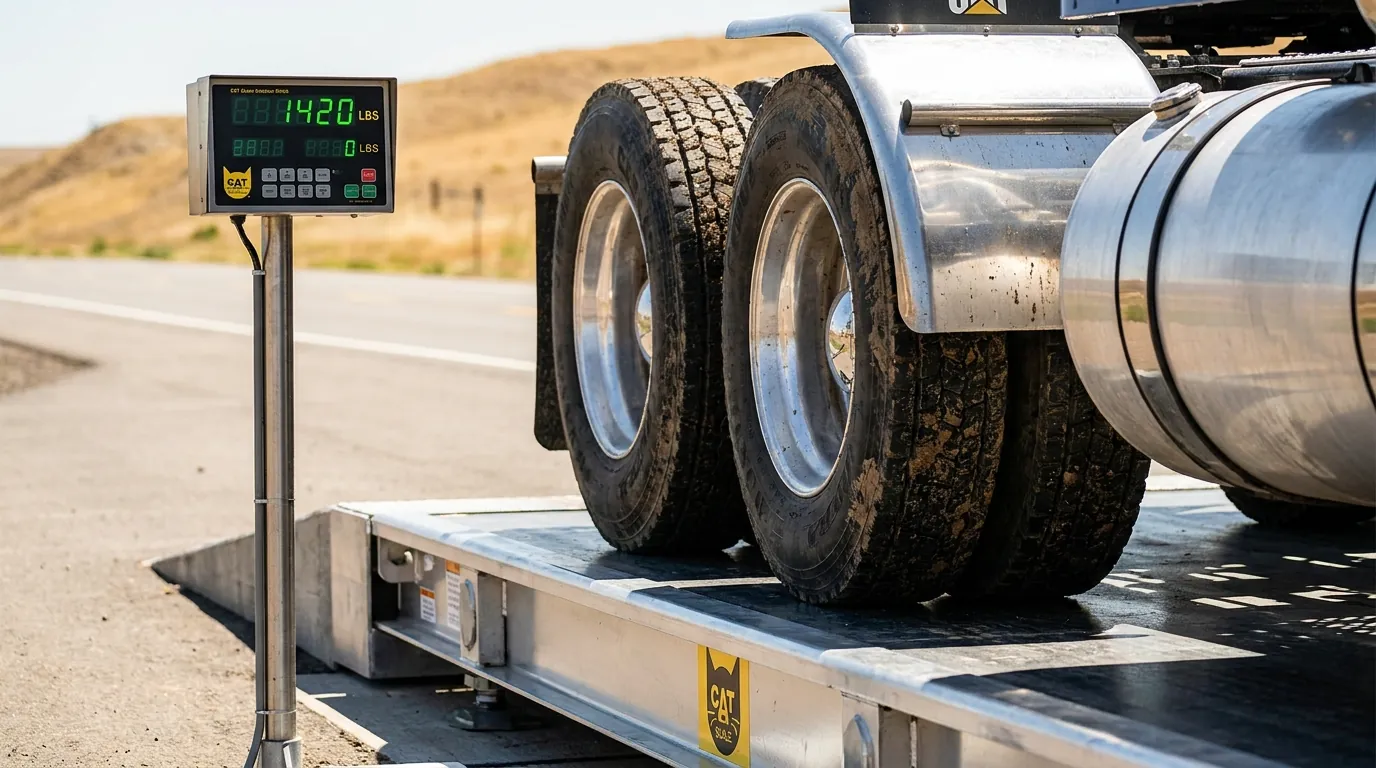
In heavy highway and civil excavation hauling, quarries and asphalt batch plants issue paper scale tickets for every outbound material load. At the end of the day or weekly billing cycle, contractors match quarry scale tickets against driver trip sheets and general contractor delivery drop receipts. Unmatched tickets result in disputed contractor invoices and unpaid material hauls.
Digital dispatch software allows drivers to photograph quarry scale tickets directly in the truck cab, extracting ticket numbers, gross/tare/net weights, and timestamp data into real-time job audit sheets. This eliminates the loss of faded thermal paper tickets and accelerates contractor billing cycles.
Automated reconciliation cross-checks net material weights against job site delivery geofences, preventing phantom load fraud and ensuring every delivered ton is accounted for before customer billing runs.
Contractors can export unified Excel and CSV audit matrices directly into accounting software (such as QuickBooks or Viewpoint), cutting billing preparation from days to minutes.
2. Billing Rates in Dump Truck Dispatch Software
Contractors utilize three primary compensation structures for hired dump truck hauling:
- Per-Ton Rates ($12–$22/ton): Standard for quarry aggregate deliveries and asphalt paving where material density is precisely scaled. Carriers maximize revenue through rapid turnaround and maximizing legal payload.
- Per-Load (Round Trip) Rates ($150–$350/trip): Common for fixed-route earthmoving and site grading where cycle times are predictable and scale houses are not available on site.
- Hourly Rates ($95–$140/hr): Employed on highway construction job sites where loading delays, traffic congestion, or paving machine pauses make production-based pay unprofitable for the hauler.
Evaluating traffic congestion and quarry queue wait times before signing hauling contracts prevents haulers from absorbing uncompensated job site delays under production pay models.
Establishing clear contractual minimum hourly billing clauses for standby time caused by equipment breakdowns on the construction site protects hauler cash flow.
3. Dump Truck Configurations: Tri-Axle, Quad-Axle, and End Dumps
Payload capacity dictates contractor profitability across distinct equipment classes:
- Tri-Axle Dump: 3 rear axles (1 steer, 1 lift, 2 drive). Standard legal payload is 20 to 22 tons (60,000–65,000 lbs GVW). Excellent urban maneuverability on tight residential construction jobs.
- Quad-Axle Dump: 4 rear axles (2 auxiliary lift axles). Legal payload reaches 24 to 26 tons (70,000–73,280 lbs GVW), providing optimal efficiency for heavy aggregate hauling.
- Tractor-Trailer End Dump: Articulated semi-trailer carrying 26 to 30 tons (80,000 lbs GVW). Ideal for high-volume, long-distance aggregate transport between major regional quarries and distribution yards.
Matching the correct dump truck body configuration to specific job site terrain prevents dangerous tip-over rollovers when discharging heavy loads on uneven ground.
Equipping trucks with high-strength Hardox steel or lightweight aluminum dump beds allows carriers to optimize tare weight for abrasive rock versus high-volume sand.
4. Managing Asphalt Plant Dispatch & Temperature Windows
Hot Mix Asphalt (HMA) must arrive at paving sites at temperatures exceeding 275°F to ensure proper compaction. Dispatchers must tightly coordinate truck arrivals at asphalt batch plants and job sites. Gaps between truck deliveries stop the paving paver, resulting in cold joints and penalization by state DOT inspectors.
Trucks hauling asphalt must be equipped with silicone heat-rated tarps and insulated truck bodies to minimize heat loss during transit.
Using live GPS fleet tracking enables plant dispatchers to stagger truck releases, maintaining a steady, uninterrupted flow of steaming asphalt directly into the asphalt paver hopper.
Applying non-stick release agents to truck beds prevents asphalt buildup and eliminates dangerous bed scraping on active paving job sites.
4. Job Site Safety and Rollover Prevention for Heavy End Dumps
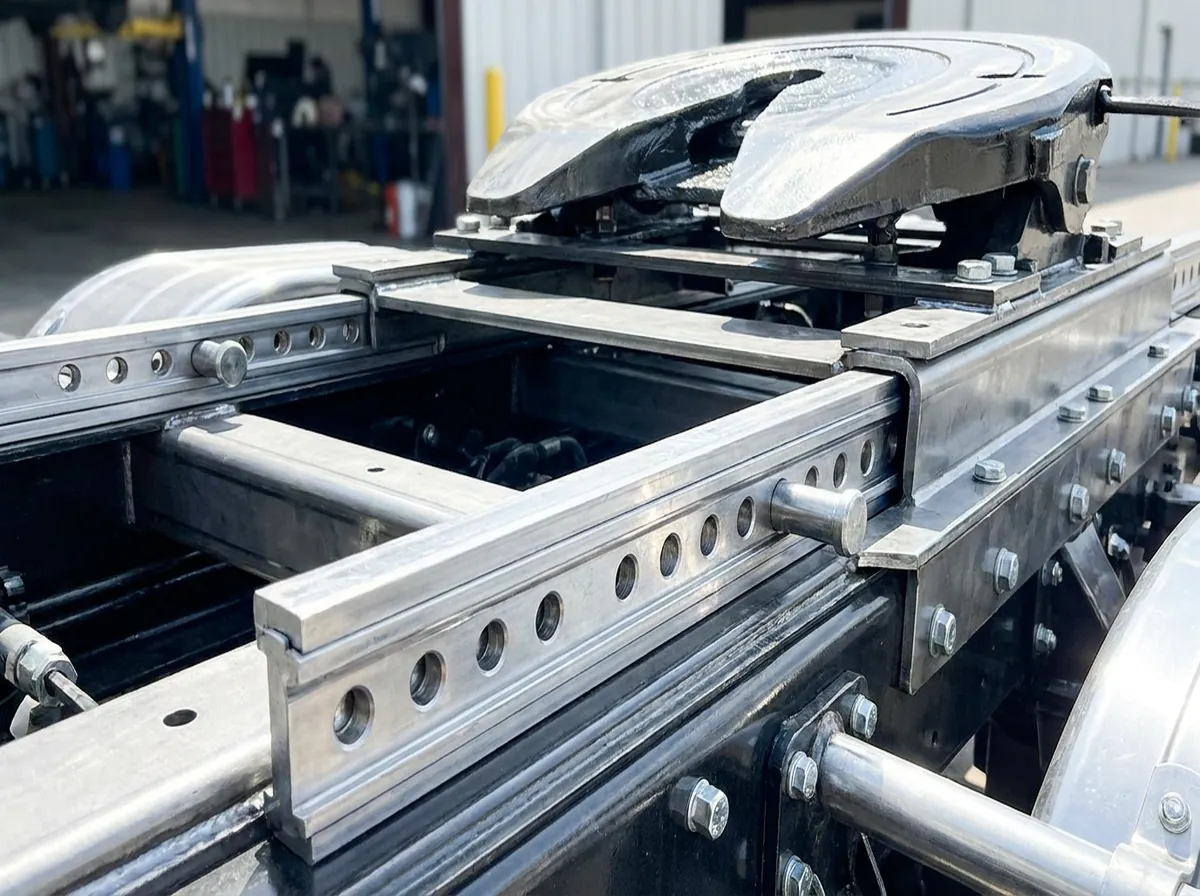
Tractor-trailer end dumps and articulated dump bodies represent high rollover risks during material discharge on uneven construction sites. Key operational safety rules include:
- Level Ground Verification: Never raise a dump bed if lateral truck slope exceeds 3 to 5 degrees, as elevated center of gravity will cause immediate rollover.
- Tailgate Latch Inspection: Verify pneumatic tailgate locks release fully before raising the hydraulic hoist cylinder to prevent top-heavy load hang-ups.
- Tire Pressure Equilibrium: Uneven rear dual tire pressure causes differential settling on soft dirt, tilting raised dump beds sideways.
Equipping dump trucks with electronic in-cab inclinometers and backup cameras prevents catastrophic job site equipment rollovers and structural damage.
Training drivers to lower dump bodies completely before driving away from dumping zones eliminates overhead power line and bridge strikes.
5. Mitigating Driver Wait Time at Quarry Scales
Quarry bottlenecking is the primary profit drain in production hauling. Waiting 45 minutes in a quarry scale line reduces daily runs from 8 loads to 5 loads, cutting gross earnings by over 35%. Smart dispatchers monitor live queue times and re-route trucks to alternate quarries when peak morning congestion occurs.
Coordinating off-peak staging times with quarry operators guarantees rapid loader turnaround, maximizing total billable tonnage hauled per operational shift.
Utilizing automated electronic ticket exchange with participating quarry scale software eliminates driver wait times at scale house print windows.
6. Tarping Regulations and Overweight Enforcement on Aggregate Hauls
Federal and state laws mandate that loose aggregate (gravel, sand, dirt) must be covered with an automatic electric or manual tarp to prevent highway projectile hazards. Highway patrol actively targets dump trucks leaving quarries for bridge formula and gross weight violations.
Deploying automated in-cab scale weight indicators helps drivers verify legal axle weights before pulling away from quarry loader buckets.
Regularly inspecting electric tarp mesh fabric for tears and ensuring tight tailgate seals prevents road debris spills and costly civil windshield damage liability claims.
Calibrating auxiliary lift axle pressure regulators ensures proper load distribution across steer, drive, and tag axles under maximum legal payloads.
6. Maximizing Quarry Turnaround with Staged Queue Scheduling
Quarry bottlenecks severely impact daily hauling profitability. When 20 dump trucks arrive simultaneously at 6:30 AM, loader queues can exceed 45 minutes per truck, cutting daily billable load volume from 8 runs down to 5 runs.
Smart dispatchers stagger truck departure times in 10-minute intervals and utilize real-time quarry wait time telemetry to divert haulers to alternate aggregate pits during peak morning congestion.
Pre-notifying quarry scale operators of incoming fleet unit numbers accelerates gross tare printouts and gets trucks back on the highway faster.
7. Certified Payroll & Prevailing Wage Compliance on Public Projects
Dump trucks subcontracted on federally funded Davis-Bacon Act or state DOT infrastructure projects require submission of weekly Certified Payroll Reports (Form WH-347). Digital dispatch logs simplify compliance by tracking exact on-site hours versus travel transit time.
Maintaining accurate digital time logs prevents prevailing wage audit disputes and guarantees compliance with federal labor standards.
Submitting validated digital payroll audit sheets directly to general contractors clears progress payment releases without bureaucratic administrative hold-ups.
Automated driver wage categorization ensures accurate calculation of fringe benefit credits and overtime hours under state public works mandates.
8. Frequently Asked Questions: Dump Truck Dispatch Software
A standard tri-axle dump truck legally carries approximately 20 to 22 tons (40,000 to 44,000 lbs) of aggregate, asphalt, or dirt payload.
It is the systematic process of matching quarry scale weight tickets with contractor project receipts and driver load sheets.
Bill hourly when job site delays, traffic congestion, or paving machine slowdowns are expected. Bill per ton on fast-turnaround dedicated aggregate runs.
Paper quarry scale tickets printed on thermal paper fade quickly, get oil-stained, or blow away in truck cabs, resulting in uncollectible invoice disputes.
A quad-axle features two auxiliary pneumatic lift axles compared to one on a tri-axle, increasing legal gross weight by 4,000 to 6,000 lbs.
A standard 2-inch compacted asphalt overlay on a 12-foot wide highway lane (7,040 sq yd) requires approximately 740 to 775 tons of hot mix asphalt (HMA) per mile (based on industry standard NAPA density specification of 110 lbs/sq yd per inch of thickness, calculating to 774.4 short tons).
Federal public infrastructure projects mandate paying predetermined prevailing wage rates for all on-site hauling and submitting weekly WH-347 reports.
Yes, drivers can access mobile-responsive web dispatch links to log daily ticket numbers, photograph quarry receipts, and confirm drop coordinates.