

Hotshot Dispatching Software & Per-Mile Rate Calculator
Calculate instant all-in rate per mile, deadhead costs, and true net profit for 40ft goosenecks and medium-duty hotshot rigs. Lock in high-margin partials and expedited freight in seconds.
Professional Hotshot Dispatching & Rate Guide
Master Class 3–5 hotshot dispatching economics, Non-CDL vs CDL operating strategies, and spot market load board negotiation.
1. Overview of Hotshot Dispatching and Expedited Freight
Hotshot trucking involves transporting expedited, time-sensitive, or partial freight using Class 3, 4, or 5 medium-duty pickup trucks (such as Ford F-350/F-450, Ram 3500/5500, or Chevy Silverado 3500) paired with 30ft to 40ft gooseneck flatbed trailers. Unlike standard 53ft semi trucks, hotshot rigs offer lower equipment capital costs, superior maneuverability in tight industrial job sites, and high agility for emergency machinery, oilfield tools, and construction materials.
By specializing in regional expedited transit, hotshot carriers provide dedicated door-to-door delivery within 24 hours, bypassing slow LTL terminal cross-docks and earning premium per-mile rates on urgent industrial loads.
Commercial shippers in aerospace, oil and gas extraction, civil construction, and heavy agricultural equipment manufacturing rely heavily on hotshot operators to prevent million-dollar assembly line shutdowns through rapid emergency parts deployment.
Lower tare weight combinations allow hotshot operators to achieve superior fuel efficiency compared to Class 8 tractors while maintaining high payload versatility on regional routes.
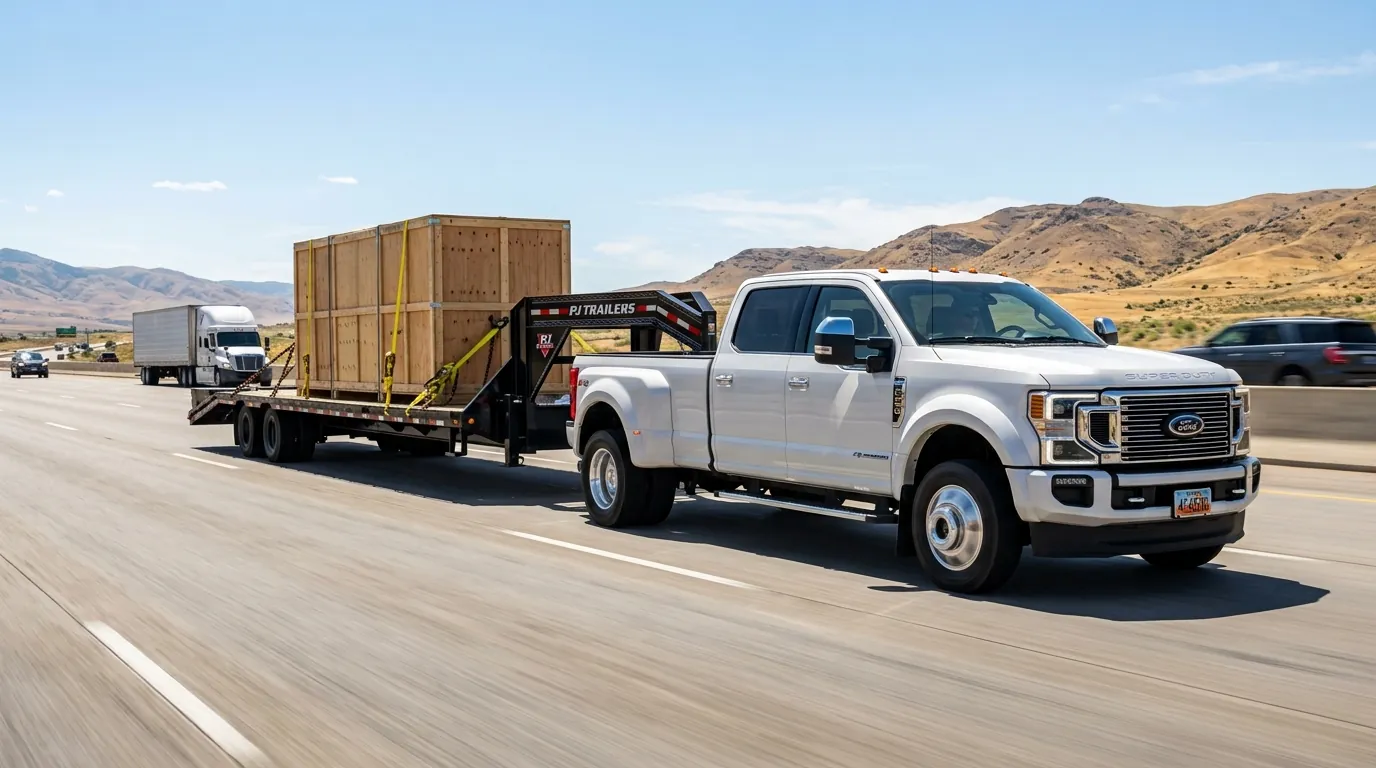
2. CDL vs Non-CDL Rules in Hotshot Dispatching
Under federal law 49 CFR 383.5, a Commercial Driver's License (CDL Class A) is required if the Gross Combination Weight Rating (GCWR) exceeds 26,000 pounds and the towed unit exceeds 10,000 pounds.
- Non-CDL Hotshot: Truck GVWR (e.g., 9,900 lbs) + Trailer GVWR (15,900 lbs) strictly capped at 25,900 lbs. No CDL required, but cargo payload is restricted to ~8,000–10,000 lbs. Excellent low-barrier entry for smaller expedited runs.
- CDL Class A Hotshot: 35,000–40,000 lb GCWR combinations utilizing 40ft dual-tandem goosenecks capable of hauling 15,000 to 18,500 lbs of profitable heavy machinery, structural steel, and oilfield equipment.
Operating a non-CDL combination over 26,000 lbs GCWR without a commercial license results in immediate driver out-of-service disqualification, severe state fines, and potential vehicle impoundment at state Department of Transportation inspection facilities.
Upgrading to a Class A CDL unlocks access to heavy industrial flatbed freight markets paying 30% to 50% higher gross revenues per loaded trip.
3. Deadhead Calculations in Hotshot Dispatching
A common novice mistake is evaluating loads solely on loaded rate per mile. A 400-mile run paying $1,200 ($3.00/loaded mile) that requires 150 miles of unpaid deadhead to reach the shipper yields an actual all-in rate of only $2.18/mile ($1,200 / 550 total miles).
Always calculate all-in cost-per-mile (diesel fuel, commercial insurance, tire wear, DEF, and preventative maintenance) before confirming spot market rate cons. Keeping total empty deadhead below 10% of gross miles is essential for sustaining double-digit profit margins.
Factoring uncompensated repositioning miles into initial broker bid negotiations ensures that every dispatched run produces genuine net cash profits.
Smart dispatchers establish minimum revenue thresholds (e.g., $2.25/all-in mile) to maintain strict financial discipline across volatile spot market freight cycles.
4. Partial Stacking Strategies for Hotshot Dispatching
Hotshot dispatchers maximize revenue by combining multiple LTL partial shipments onto a single 40ft deck. For example, booking a 15ft palletized machinery load for $1,200 and adding a 20ft pipe bundle partial for $1,100 heading along the same interstate corridor boosts gross trip revenue to $2,300 with zero additional transit hours.
Dispatchers must carefully calculate linear deck space and axle weight distribution to ensure rear trailer axles do not exceed tandem weight limits when multi-loading.
Using durable dunnage blocks and grade 70 transport binder chains prevents heavier front loads from sliding rearward during sudden deceleration events.
Planning multi-stop drop sequences in strict reverse order of delivery ensures rear freight can be unloaded smoothly without touching forward customer cargo.
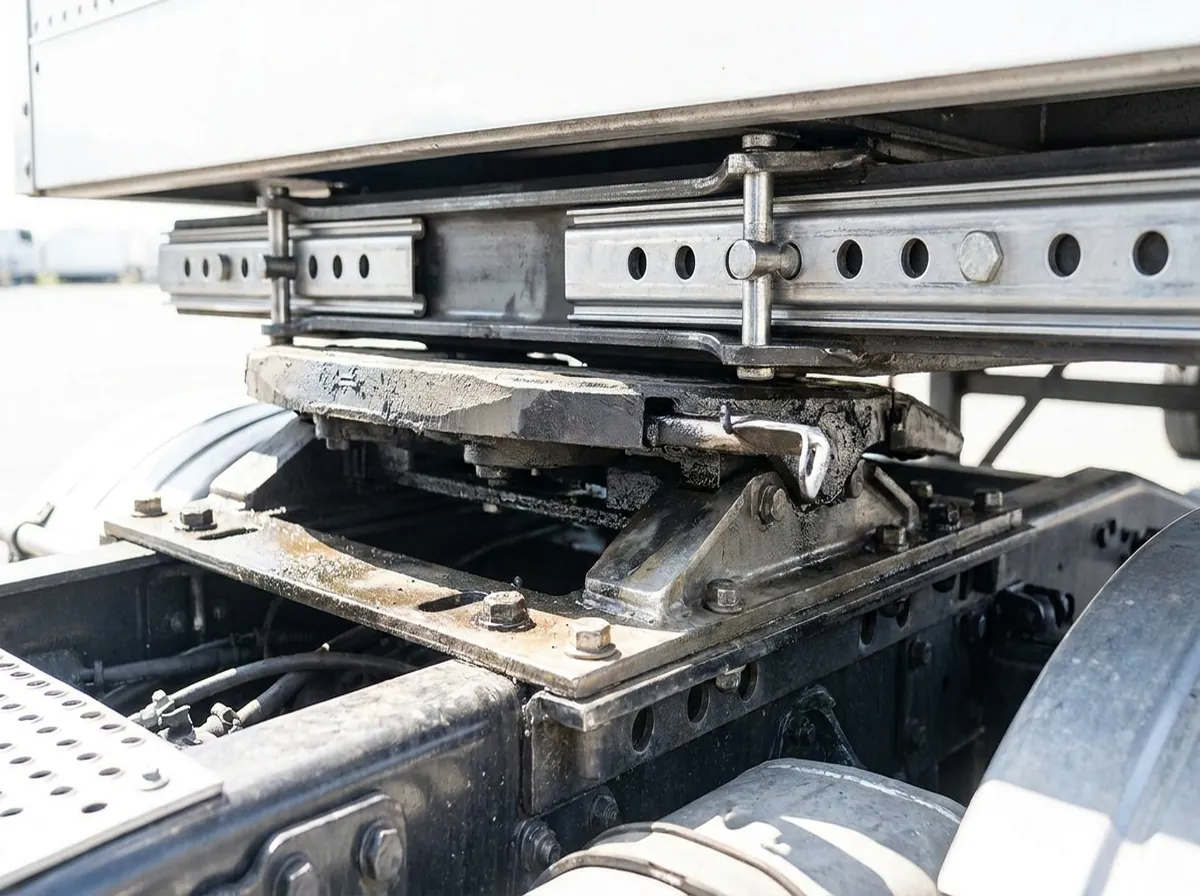
4. Hotshot Equipment Rigging: Chains, Binders, and Winch Straps
Securing heavy machinery on a 40ft gooseneck flatbed requires specialized rigging hardware meeting strict Working Load Limit (WLL) standards:
- Grade 70 Transport Chain (5/16" and 3/8"): Essential for securing wheeled skid steers, excavators, and steel coils (WLL 4,700 to 6,600 lbs per chain).
- Ratchet Load Binders: Direct-lever binders are prohibited by many industrial shippers due to recoil hazards; ratchet binders provide safe, micro-adjustable tensioning.
- 4-Inch Heavy-Duty Winch Straps: Rated at 5,400 lbs WLL for securing palletized crated cargo, lumber bundles, and roofing materials without damaging exterior packaging.
FMCSA 49 CFR 393.102 mandates that total tiedown working load limits must equal at least 50% of the total cargo weight being transported.
Carrying corner edge protectors (plastic or steel VeeBoards) prevents sharp structural steel edges from cutting synthetic tie-down straps during highway transit vibration.
5. Fuel Efficiency Management in Hotshot Dispatching
A 1-ton diesel dually towing a loaded 40ft gooseneck averages 9.0 to 11.5 MPG depending on terrain, cargo wind resistance, and aerodynamic drag. High-mileage hotshot operations (100,000+ miles/year) require engine oil and filter changes every 7,500 miles, commercial trailer tire rotations every 15,000 miles, and strict Allison or Aisin transmission fluid servicing every 30,000 miles to prevent costly premature mechanical failures.
Installing heavy-duty transmission fluid coolers and exhaust brakes extends service longevity when navigating steep mountain passes under maximum payload.
Carrying spare trailer tires, hydraulic jacks, extra grease guns, and 14-ply commercial tires prevents multi-hour highway breakdown delays in remote transit lanes.
6. FMCSA Regulations for Hotshot Operators: ELDs, Decals & Scale House Rules
Hotshot pickups in interstate commerce are subject to full FMCSA safety regulations: registered USDOT and MC numbers, annual vehicle inspections, mandatory Electronic Logging Devices (ELDs) for Hours of Service (HOS), and mandatory stops at all state highway weigh stations when open.
Carriers operating without registered USDOT numbers or attempting to bypass open scales face immediate Class B misdemeanor citations and commercial vehicle impoundment.
Affixing high-contrast USDOT and MC authority vinyl lettering to pickup doors ensures swift visual clearance at state port-of-entry inspection facilities.
Maintaining clean electronic driver logbooks with accurate pre-trip and post-trip inspection timestamps guarantees passing Level 1 roadside safety inspections.
7. Spot Market Negotiation in Hotshot Dispatching
When searching load boards, filter for Flatbed (F), Hotshot (HS), and Stepdeck (SD) freight. Highlight fast transit capability when calling brokers—many shippers will pay a 20%–40% premium for dedicated expedited delivery compared to standard LTL transit times.
Developing direct relationships with local machinery fabricators, roofing suppliers, and oilfield service companies creates consistent repeat contracts outside volatile load boards.
Offering guaranteed on-time delivery time slots gives hotshot owner-operators powerful leverage when bidding against slow regional freight brokers.
Utilizing digital rate calculators allows dispatchers to instantly compute minimum profitable counter-offers before calling brokers on competitive hotshot spot loads.
8. Frequently Asked Questions: Hotshot Dispatching
No CDL is required if your truck GVWR and trailer GVWR combined total 26,000 lbs or less (Non-CDL Hotshot).
Profitable hotshot operations target an all-in rate of $2.20 to $3.00+ per mile including deadhead distance.
A CDL Class A setup (with dual 12,000 lb axles) legally carries 15,000 to 18,500 lbs of cargo payload depending on truck tare weight.
Yes, any commercial motor vehicle in interstate commerce with a GVWR over 10,000 lbs must enter open state weigh stations and inspection facilities.
Yes, interstate hotshot operators must use an FMCSA-registered ELD to record Hours of Service, unless operating within the 150 air-mile short-haul exemption (49 CFR 395.1(e)).
A 40-foot tandem dual gooseneck flatbed with hydraulic or flip-over mega ramps offers maximum versatility for machinery, pallets, and pipe freight.
Use DAT One and Truckstop load boards filtering by Partial/LTL freight, Flatbed equipment, and linear feet requirements.
Brokers require $1,000,000 in Primary Commercial Auto Liability and $100,000 in Motor Truck Cargo insurance.